
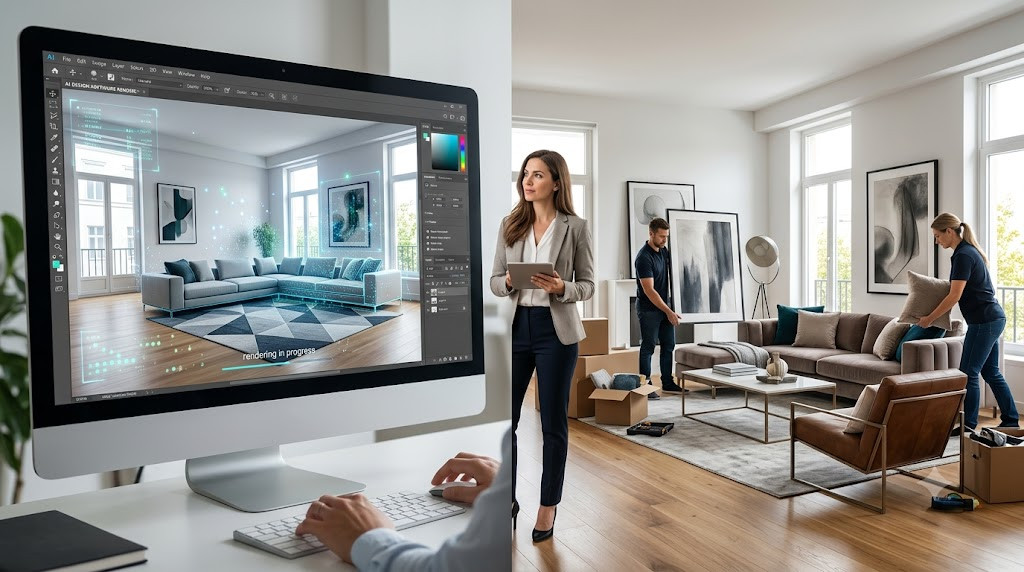
Virtual staging vs real staging is a key decision in real estate marketing that impacts cost, speed, and buyer perception from the start. Choosing between these two approaches can significantly influence how quickly a property sells and how much it ultimately sells for. What are their differences? Keep reading to find the answers.
What is virtual staging?
Virtual staging is the process of using digital technology to add furniture, décor, lighting, and design elements to photos of an empty or sparsely furnished property. Instead of physically staging a home, designers edit listing images to help buyers visualize the space’s potential.
The popularity of virtual staging has grown rapidly because it is significantly more affordable than traditional staging.
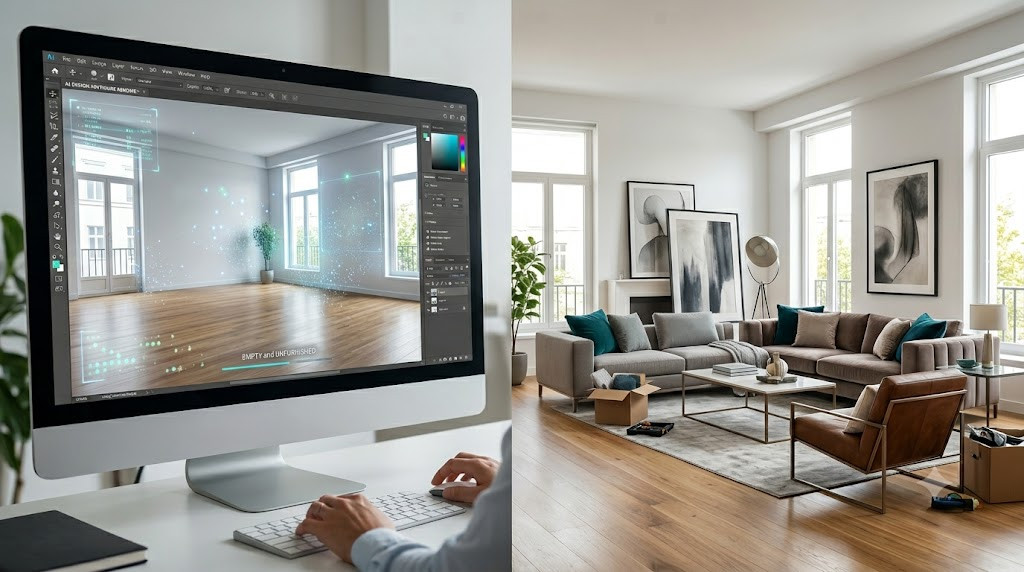
A side-by-side comparison demonstrating virtual staging in real estate. An empty living room is digitally enhanced with furniture, decor, lighting, and design elements to help buyers visualize the property’s potential.
According to real estate industry estimates, virtual staging can cost 90–97% less than physical staging while still improving a property’s visual appeal.
A common virtual staging before and after example is transforming an empty living room into a modern, fully furnished space with sofas, artwork, and accent lighting. These enhanced images can attract more online views and generate greater buyer interest.
However, sellers should use virtual staging responsibly. Images should accurately represent the property’s size, layout, and condition. Misleading edits can damage buyer trust and create disappointment during showings.
What is real staging?
Real staging, also known as real estate staging, is the process of physically furnishing and decorating a home to make it more appealing to potential buyers.
Professional stagers use rented furniture, artwork, lighting, and accessories to highlight a property’s best features and create a welcoming atmosphere.
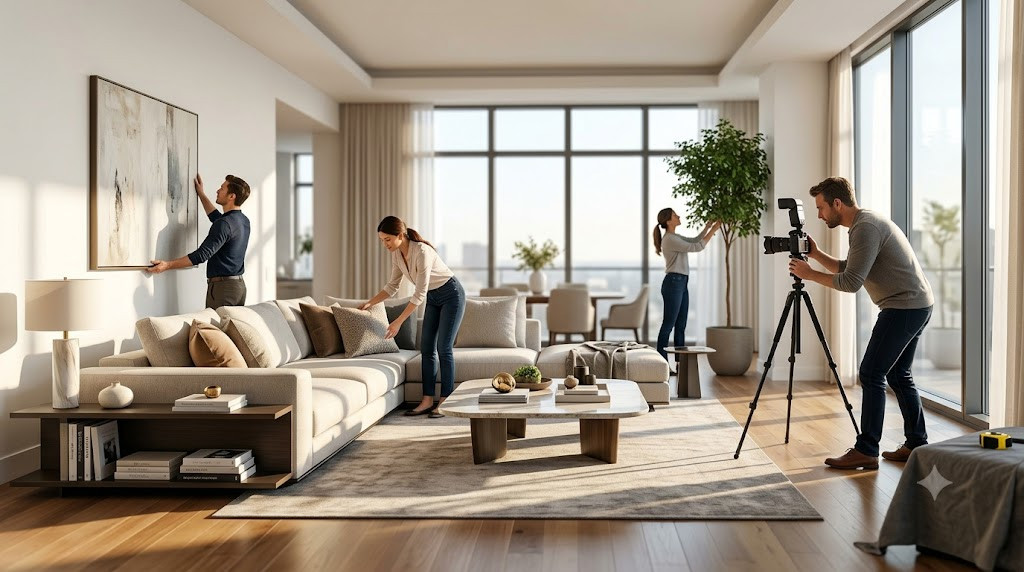
A professional home staging team physically furnishes and decorates a luxury property with furniture, artwork, lighting, and accessories to create an inviting atmosphere and attract potential buyers.
Unlike interior design, which reflects an owner’s personal style, real estate staging is designed to attract the broadest range of buyers and encourage stronger offers.
Staged rooms are also photographed for online listings, helping buyers visualize how the space can be used. Industry studies suggest that staged homes often sell faster and may receive higher offers than unstaged properties.
Staging comparison: Virtual Staging vs Real Staging
When selling a property, one of the biggest decisions homeowners and agents face is choosing between virtual staging vs real staging. Both methods aim to make a home more attractive to buyers, but they differ significantly in cost, speed, flexibility, and buyer experience.
Virtual staging is the process of using digital technology to place furniture and décor into real estate listing photos. Real staging, on the other hand, involves physically furnishing and decorating the property with rented furniture and accessories. Both approaches can showcase a home’s potential and deliver important home staging benefits, such as increased buyer interest and stronger online engagement.
One of the biggest differences between virtual and real staging is cost.
Traditional staging often costs between $2,000 and $6,000 for a typical home and can exceed $25,000 for luxury properties. Virtual staging is far more affordable, with many services charging only $20–$50 per image.
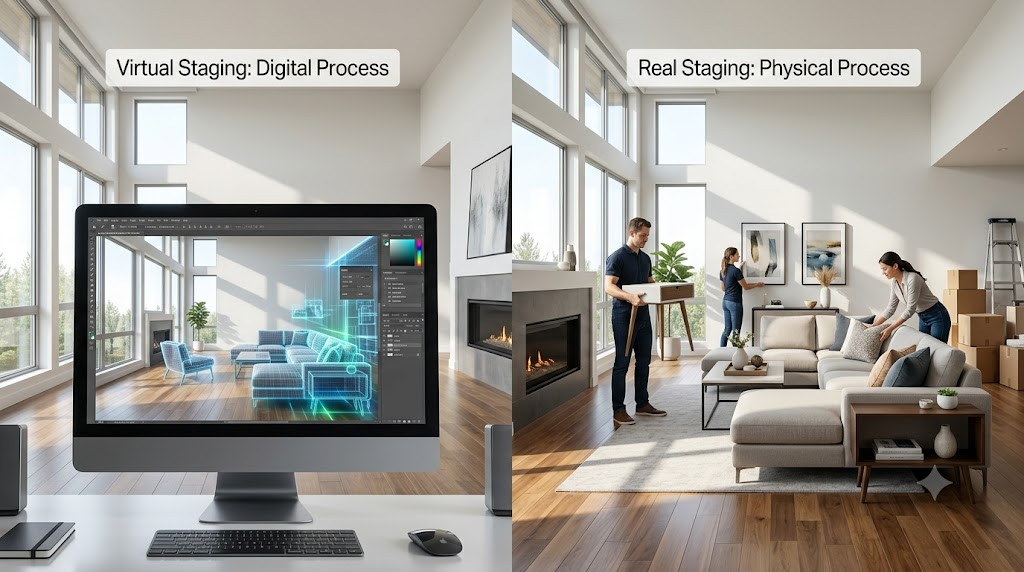
A side-by-side comparison illustrating virtual staging through digital furniture rendering and real staging through professional furniture setup, highlighting the key differences between the two real estate marketing approaches.
Another important factor is turnaround time. Physical staging may require one to two weeks for planning, delivery, and setup. Virtual staging can often be completed within 24 hours, allowing sellers to list properties much faster.
However, real staging offers a major advantage: buyers can experience the furnished home in person. This emotional connection can help them envision living in the space, which may lead to quicker sales and higher offers. Virtual staging is limited to online photos and cannot enhance the physical viewing experience.
Virtual Staging vs Real Staging Comparison
| Feature | Virtual Staging | Real Staging |
| Cost | Typically $20–$50 per photo | Usually $2,000–$6,000+, can exceed $25,000 |
| Turnaround Time | 12–24 hours | 7–14 days or longer |
| Setup Process | Fully digital | Requires furniture delivery and setup |
| Design Flexibility | Multiple styles can be created easily | Limited by available inventory |
| Online Listing Appeal | Excellent | Excellent |
| In-Person Buyer Experience | No | Yes |
| Best For | Vacant homes, budget-conscious sellers, quick listings | Premium properties, open houses, luxury homes |
| Maintenance | None | Furniture may need upkeep during listing period |
When should you use Virtual staging vs Real staging?
When evaluating virtual staging vs real staging, the best choice depends on your budget, timeline, and marketing goals.
When to use traditional staging
Real staging works best for high-value homes where emotional impact and in-person experience matter most. If the property will host frequent open houses or attract serious foot traffic, physical furniture helps buyers visualize scale, flow, and livability.
It is especially effective for unique layouts that photos alone cannot fully explain. However, this option increases staging cost real estate significantly, making it less ideal for tight budgets or fast-turnaround listings.
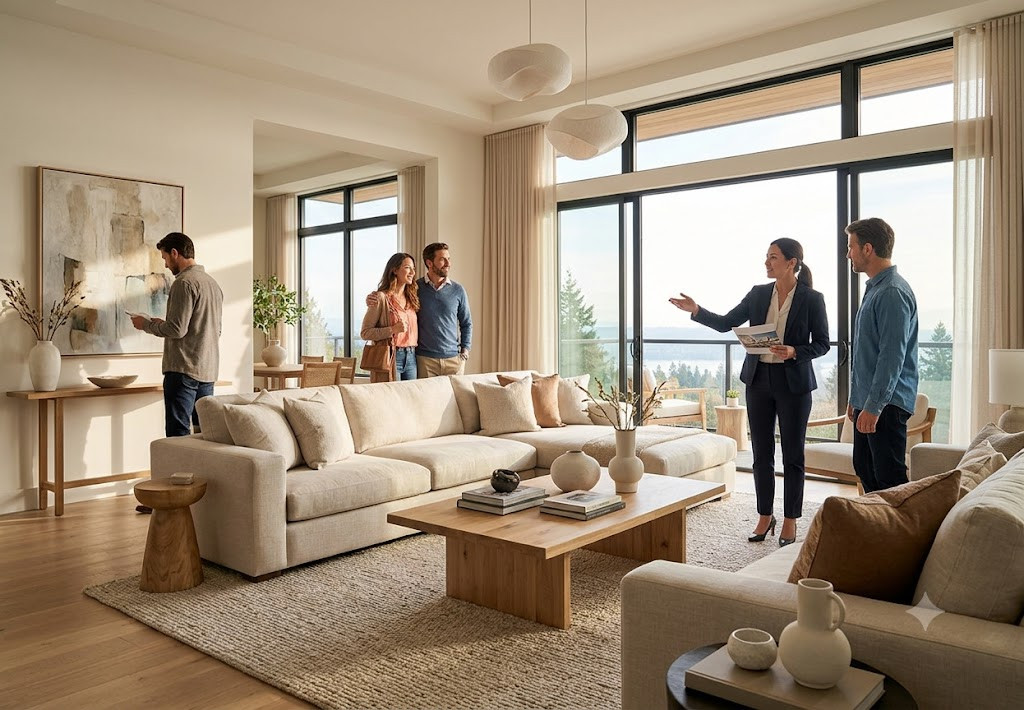
A luxury property fully furnished through traditional staging, allowing buyers to experience the space in person and build an emotional connection during an open house tour.
When to use virtual staging
Virtual staging is ideal when speed and cost efficiency are priorities. If you need listing photos quickly or want to avoid logistics like furniture rental and setup, it provides a fast visual upgrade.
It is commonly used for rentals, investment properties, and fixer-uppers where online presentation drives most interest.
Many agents ask “Is virtual staging worth it?” and the answer is often yes when the goal is to improve click-through rates without high upfront costs.
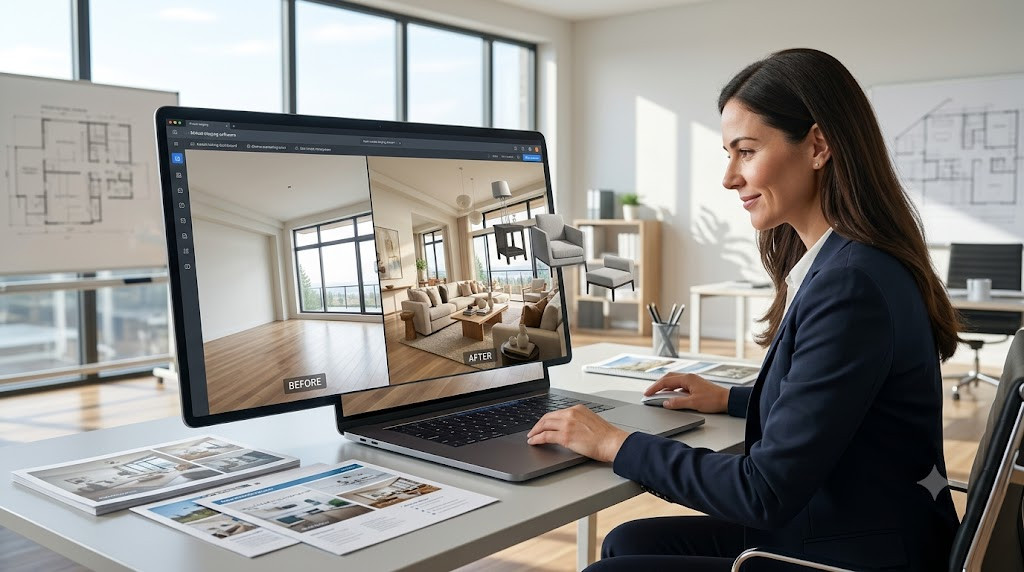
A real estate professional uses virtual staging technology to transform empty property photos into fully furnished listing images, helping market homes quickly and cost-effectively.
When to use both
A hybrid approach often delivers the strongest results in virtual staging vs real staging strategy. Virtual staging enhances online listings immediately, while real staging elevates the in-person experience during showings.
This combination helps generate early online engagement and reinforces buyer confidence when they visit the property, often leading to faster and higher-value offers.
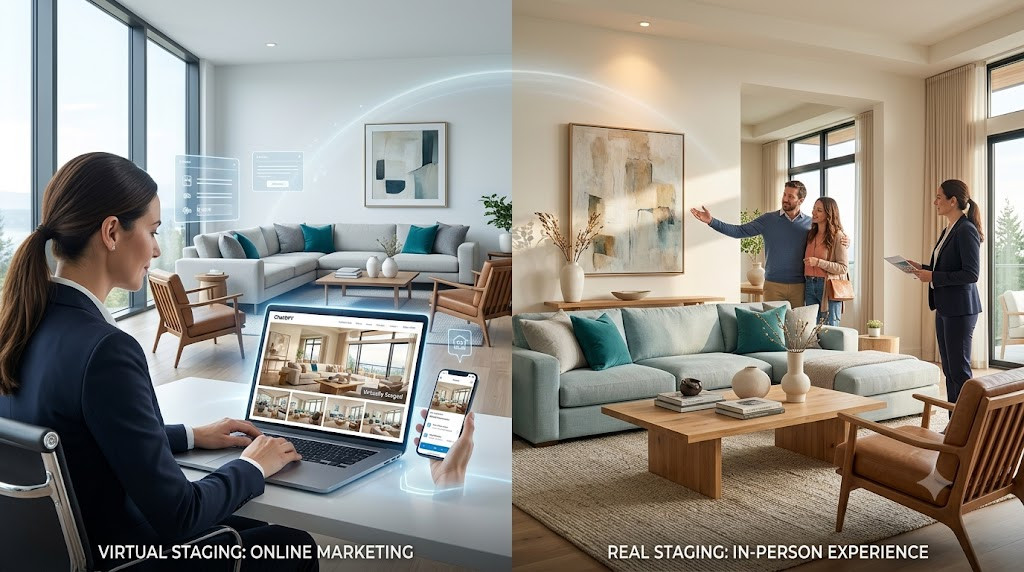
A real estate marketing strategy that combines virtual staging for online property listings with physical staging for home tours, helping attract buyers online and strengthen confidence during showings.
Sum up
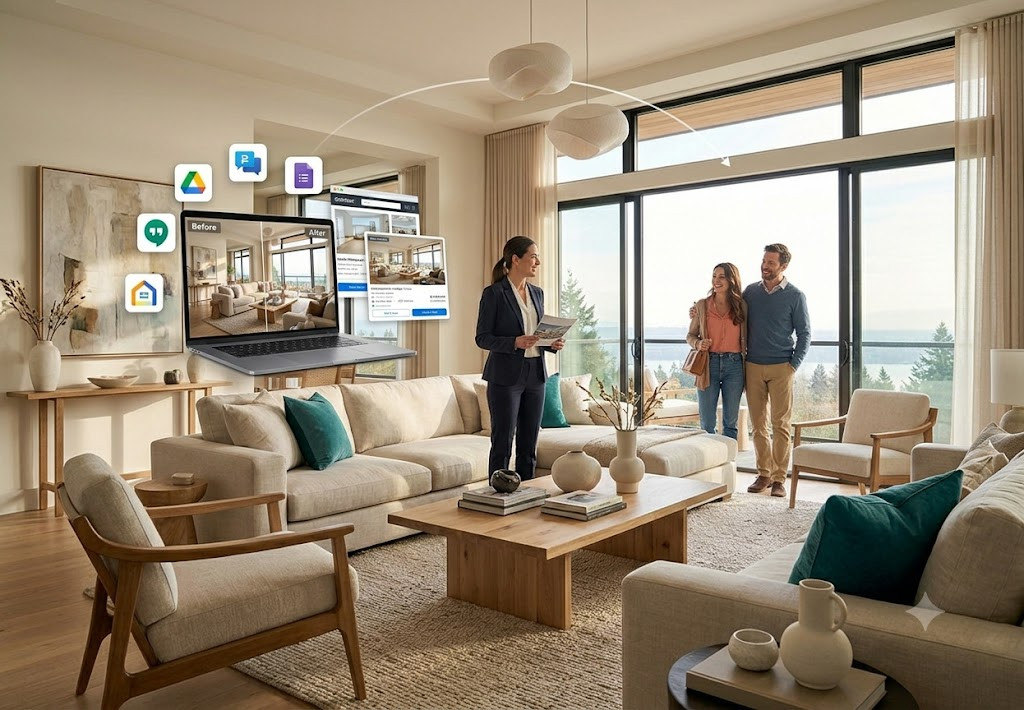
A visual representation of choosing the right staging strategy, combining the benefits of virtual staging and real staging to improve buyer engagement, listing performance, and property sales results.
Ultimately, the right choice depends on your budget, timeline, and overall marketing strategy. Real staging offers a tangible, in-person experience that can strongly influence buyers, while virtual staging provides speed, flexibility, and lower costs for online listings. In most cases, combining both approaches delivers the strongest impact, helping properties stand out digitally and in person. Making the right decision in virtual staging vs real staging can significantly improve listing performance and buyer engagement.